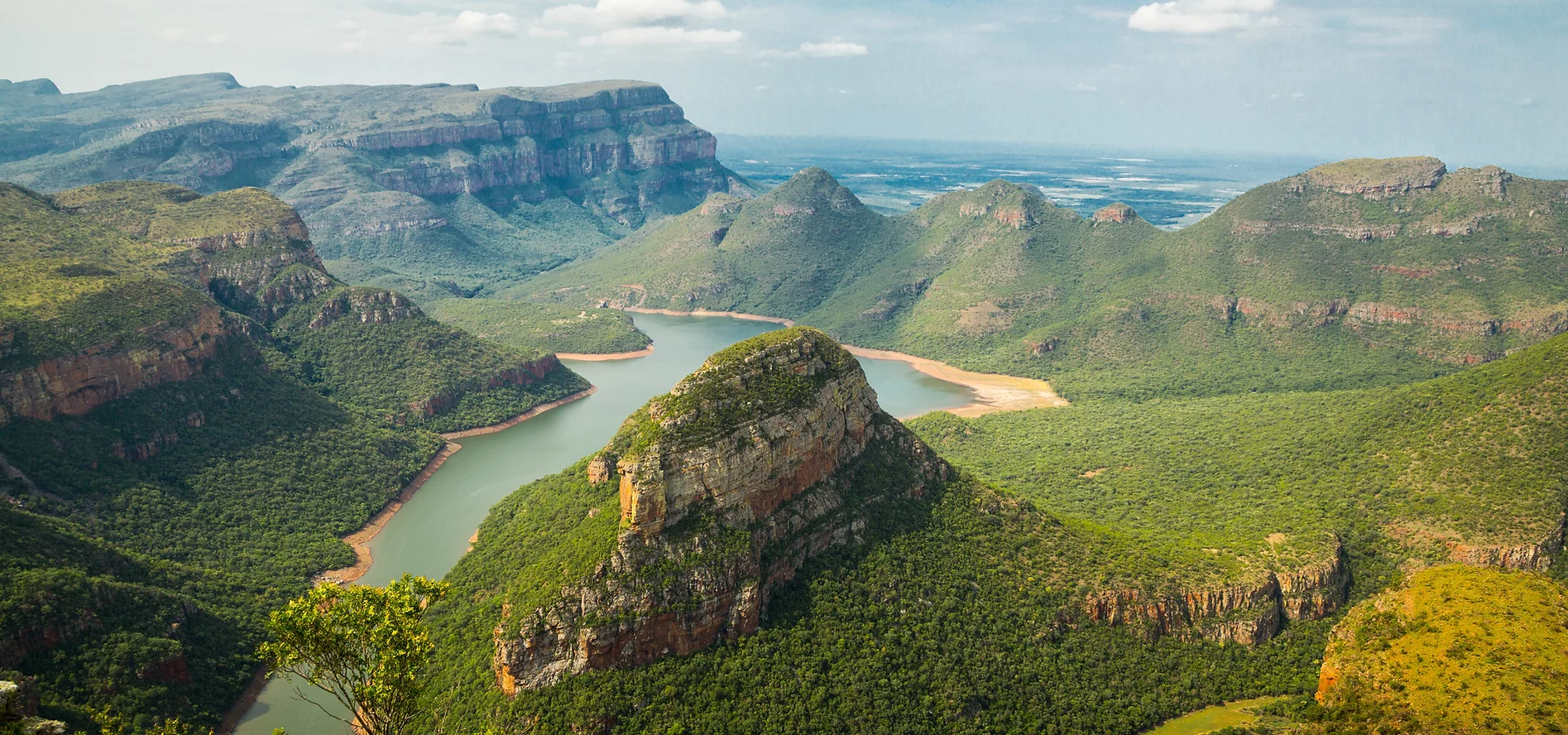
Getting ready for a tailor-made African trip

Requirements Before Starting Customized African Safari Travel Planning

You may be dreaming of wildlife, lodges, and sundowners—but planners need more than a dream to build a custom safari that truly fits you. This page walks through the concrete information, decisions, and constraints to sort out in advance, so your first planning conversation moves quickly from fuzzy ideas to a realistic, exciting plan.

Main website image
The short answer

What matters most

Customized African safari travel planning is best suited to travelers who are willing to share their interests and budget so planners can tailor destinations, activities, and lodging to their needs. Before you start, be ready with a realistic budget range, your ideal travel dates or season and trip length, who is traveling and any special requirements, and your preferred comfort level and pace. Having this information makes it easier for a specialist to quickly design a realistic, customized itinerary.

Customized safari planning begins with concrete information: budget, dates, group details, interests, and comfort levels, not just a dream of wildlife and sunsets.
Clarifying a realistic total budget range before you speak with a planner makes it far easier to match you with the right countries, parks, and lodges.
Knowing when you can travel and for how long—within at least a defined season—opens or closes entire regions based on weather, wildlife, and availability.
Sharing who is traveling, including ages, health needs, and preferences, lets planners design routes and choose lodges that feel safe and enjoyable for everyone.
Deciding in advance who makes final decisions and what approvals are needed prevents delays and miscommunication during the planning process.
A useful way to think about it

A practical checklist for customized safari planning

Most travelers arrive at safari planning full of excitement but short on specifics. Here is how to turn scattered ideas into the clear information a custom planner can actually use.

Clarify a realistic budget or budget range

Budget is the foundation of every customized safari—it shapes countries, parks, lodges, and even the time of year that makes sense. Before speaking with a planner, discuss honestly what you can invest in the trip, not just what you hope it might cost. Decide whether you are thinking in terms of a firm ceiling, a comfortable middle range, or a stretch amount if the experience is truly exceptional. If different people are contributing, talk through expectations so there is no mismatch. You do not need to know what each element will cost; you simply need a total range that feels realistic for your household and any non‑negotiable limits.

Choose likely travel dates, season, and trip length

Safari availability and pricing vary sharply by season, school holidays, and regional weather. Planners cannot make meaningful suggestions without a time frame. Look at your work calendars, school breaks, and other commitments to identify when you can reasonably be away. Decide on a target month or at least a preferred season (for example, June–August or mid‑September). Then think about trip length, including travel days from your home country. Are you hoping for 8–10 days, 12–14 days, or something longer? The clearer your window, the easier it is for a planner to recommend destinations where wildlife, climate, and availability line up with your dates.

Know who is traveling and special requirements

A custom safari is built around the specific travelers, not an abstract group. Before planning begins, confirm who is likely to join you: adults, kids and their ages, older travelers, or friends with very different travel styles. Note any mobility limitations, medical conditions, or accessibility needs, along with dietary restrictions and strong preferences (for example, avoiding small planes or needing en‑suite bathrooms). If you are still unsure who will commit, at least define the likely group size and mix. Sharing these details early allows your planner to suggest lodges and routes that are safe, comfortable, and engaging for everyone, instead of retrofitting a generic plan later.

Decision guide

Turning your information into confident planning decisions

Once you understand what information planners need, the next step is deciding how ready you are, what still needs work, and how you want to approach the planning process.

Decide how firm your plans need to be before you call

Some travelers like to have every detail sketched out before they ever talk to a planner; others arrive with only a budget and rough dates. Both approaches can work. Ask yourself what would make that first conversation feel productive rather than premature. Do you need to agree on a minimum budget with your partner? Confirm school calendars? Get time‑off approval from work? List those steps and tackle the ones you can now. At the same time, do not wait for impossible perfection—specialists can help you refine dates, priorities, and itinerary length, as long as you come with honest constraints and a willingness to discuss options.

Align decision-makers and expectations

Confusion often creeps in when one person is gathering quotes but someone else controls the schedule or spending. Before you move into active planning, talk openly about who has final say on big decisions such as budget, dates, and destinations, and who needs to be consulted. If extended family or friends are joining, decide whether one person will act as the main contact with the planner or whether joint calls work better. Clarify how quickly you intend to make decisions once you see options—do you want to move fast to secure specific lodges, or sit with the proposal for a while? Sharing this with the planner helps them design a process that respects everyone’s input.

Assess whether a custom planner is the right fit

Not every traveler needs customized safari planning. Ask yourself what kind of support you really want. Are you feeling overwhelmed by choices, unsure about safety, or nervous about logistics across multiple countries? Do you value insider knowledge of lodges and wildlife areas more than hunting for the lowest possible price on your own? Are you prepared to share personal preferences, budget, and any worries so that a planner can tailor the trip? If you answer yes to these, a boutique planner with deep African experience can be a strong match. If you prefer to control every detail personally, you might still use a consultation but choose a more hands‑on role afterward.

Prepare your questions for the first consultation

A good planning call is a two‑way conversation, not just a questionnaire. Before speaking with a safari specialist, write down the questions that matter most to you. These might cover safety in specific regions, how they select lodges, what level of flexibility you will have day to day, or how last‑minute changes are handled. You may also want to ask how they tailor trips for children, older travelers, photographers, or first‑timers. Bringing a written list helps you leave the call feeling informed, not overwhelmed. It also signals to the planner that you are serious and ready to move forward once you see an itinerary that feels right.

Evidence and expectations

How thoughtful preparation shapes real trips

Travelers who arrive with clear goals and basics decided give planners room to do their best work. These experiences show what that can feel like in real life.

How clear planning inputs lead to personalized trips

Customer reviews describe trips where every detail felt thoughtful and aligned with personal interests. One couple who spent 17 days on a custom itinerary highlighted how their planner suggested a hike along South Africa’s Wild Coast—something they had not originally considered but later called breathtaking and unforgettable. They emphasized that every part of the journey, from specific safari camps to coastal stays, was handled in advance and tailored to what they wanted to experience. That level of fit requires travelers to share their real interests and comfort levels during planning, so the team can add special touches they would never find on their own.

Professionalism, safety, and respect for wildlife

Several travelers mention both professionalism and deep respect for the wildlife they encountered. One review called the experience life‑changing, noting how the team’s approach balanced close‑up encounters with clear respect for the animals and their environment. This combination does not happen by accident. When you share your expectations around safety, pace, and how adventurous you would like to be, planners can choose guides and lodges whose values align. The result is a trip where you feel well cared for—both in terms of logistics and in the way your time in Africa impacts the places and creatures you came to see.

The impact of having details handled for you

Travelers also speak about how stress‑free their trips felt once planning moved into expert hands. One guest described an “action packed itinerary” that still felt like a trip of a lifetime, because every connection, lodge stay, and activity had been thought through ahead of time. They came home wanting to return immediately. That kind of seamless experience starts long before departure. It depends on sharing realistic budgets, health considerations, and desired pace from the beginning, so the planning team can design a route that flows well and support you if anything changes along the way.

Local context · Winston-Salem, NC

Planning your African safari from Winston-Salem or anywhere in the US

Live Life African Safari Getaways is based in Winston-Salem, NC, but their trips unfold across 12 African countries and the Indian Ocean Islands. That geography changes how you prepare. Because you are planning from the US, time zones and distance make it even more valuable to gather key information before your first in-depth call or video meeting. Having your dates, budget range, and decision-makers sorted means fewer back-and-forth messages and quicker progress from initial ideas to a workable itinerary. It also helps the team suggest flight routings and connections that make sense from your home airport, not just from a theoretical starting point. If you are local to Winston-Salem or nearby, you may prefer more direct contact. Ask whether you can schedule a longer consultation call at a convenient time, how they handle documents and approvals electronically, and what deadlines you should keep in mind for popular safari seasons given East Coast school calendars and vacation policies. If you are planning from elsewhere in the US, use the same questions to map out how planning and communication will work smoothly across time zones.

Questions worth asking

Questions travelers often ask before they feel ready

As you gather information for a custom safari, new questions pop up. These answers tackle concerns that go beyond the basics covered above.

Do I need to choose specific countries before contacting a safari planner?

You do not have to commit to exact countries before your first planning conversation, but it helps to have a general idea. For example, you might be drawn to East Africa’s classic savannahs, Southern Africa’s private reserves, or combining safari with Indian Ocean beaches. A good planner who works across multiple African countries can take your season, budget, and interests and suggest destinations that fit. If you come in with only dates, budget, and the type of experience you want—big migrations, quieter parks, more cultural interaction—they can narrow options quickly.

How detailed does my budget need to be for custom safari planning?

You do not need a line‑by‑line cost breakdown, but you do need a clear total range. Decide what you would be comfortable spending for the entire trip, including flights if you want the planner to consider those. If you have both a target amount and an absolute maximum, share both. This allows the planner to recommend where to invest more (for example, a special lodge or private guiding) and where to save without undermining the experience. Being vague—“we just want a good deal”—makes it harder to match you with the right level of lodges and logistics.

What if my group is still unsure who is actually going?

It is common for groups to be fluid at the beginning, but planning goes smoother if you define a likely minimum and maximum group size, plus any children’s ages. Share who is most committed and who is tentative, as well as any key dates when people must confirm. A planner can often design an itinerary that works within that range and hold space for a certain number of travelers, but they need to know the constraints. Clarifying early who is truly likely to join reduces last‑minute changes that can affect lodge availability and overall cost.

Can a planner help if I have special medical or mobility needs?

Special requirements are exactly the kind of information a custom safari planner can work with, as long as you share them early. If someone uses a mobility aid, has a heart condition, is pregnant, or needs access to specific medical facilities or refrigeration for medication, bring this up before destinations are chosen. Some lodges and parks are better equipped than others, and logistics such as road conditions, internal flights, and walking distances can be adjusted. A planner with on‑the‑ground knowledge can steer you toward options that keep the adventure enjoyable and safe.

How far in advance should I have my information ready?

For popular safari seasons, many planners recommend starting serious discussions 9–18 months before travel, especially if you have fixed dates or want very specific lodges. That does not mean every detail must be finalized that early, but you should have at least a budget range, time frame, and group outline ready. If you are closer in—say 3–6 months before departure—having your information organized becomes even more important, because decisions will need to be made quickly as availability and prices change. The more prepared you are, the more options a planner can realistically secure.

Your next step

Ready to talk through your safari ideas?

If you already have rough dates, a budget range, and a sense of what you want to experience in Africa, you are ready for a detailed planning conversation. The team at Live Life African Safari Getaways grew up in Africa and continues to explore its parks, coastlines, and islands, using that on-the-ground knowledge to shape custom trips. Whether you are a couple, a family, or a small group, they can help translate your notes and questions into a realistic itinerary, with lodges and logistics that match your comfort level and budget. To start that process, reach out by phone at 1-336-234-5470 or email info@livelifesafaris.com and share the essentials you have gathered. From there, a safari planning consultation can bring your trip into clear focus.